

 En
En  Français
 Deutsch
 عربى
عربىUnderstanding the Unique Composition of Polyester Cotton Pillows
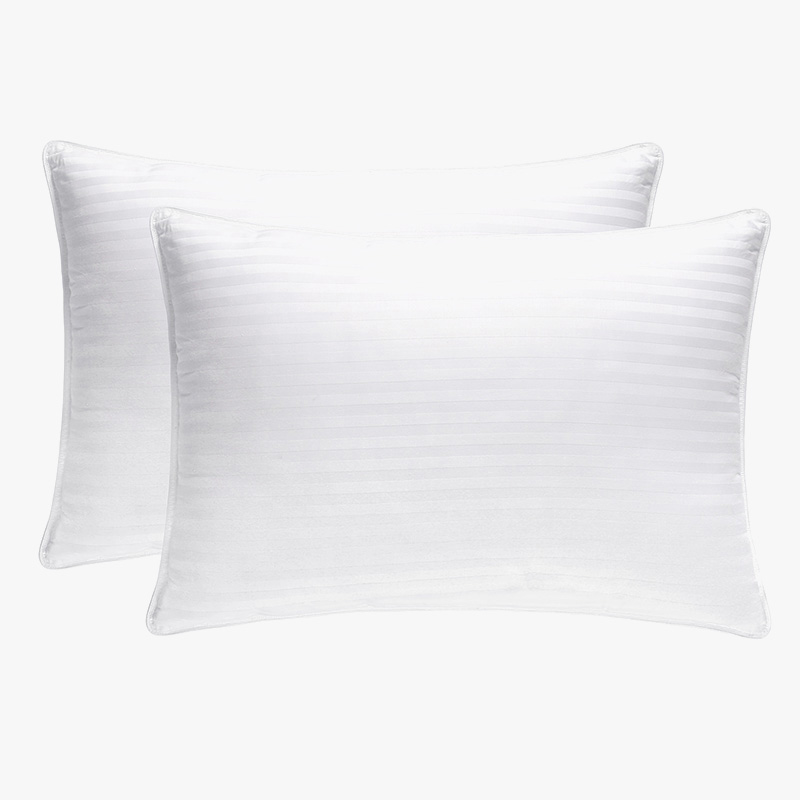
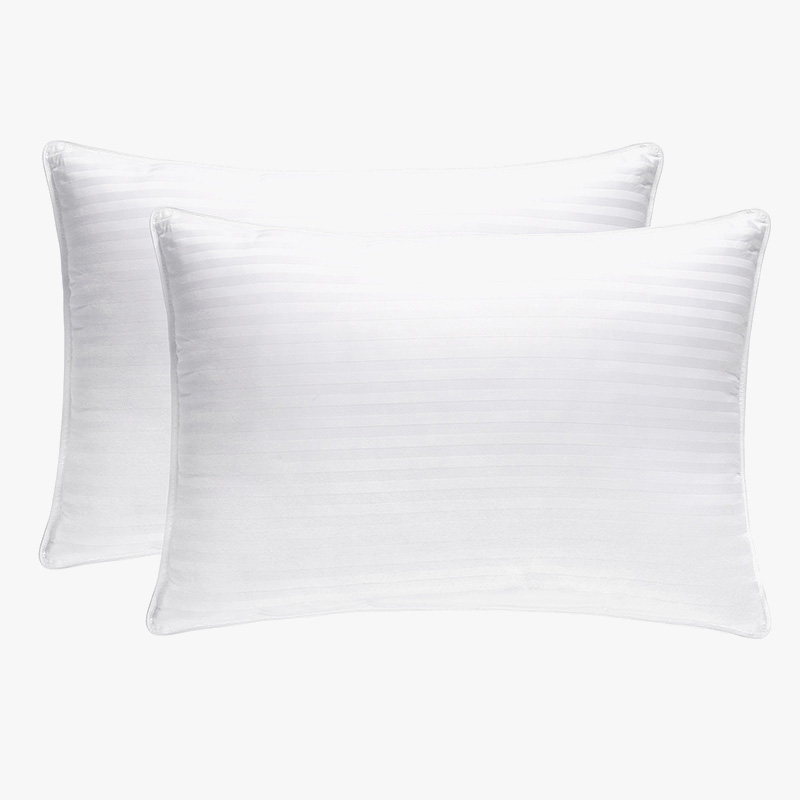
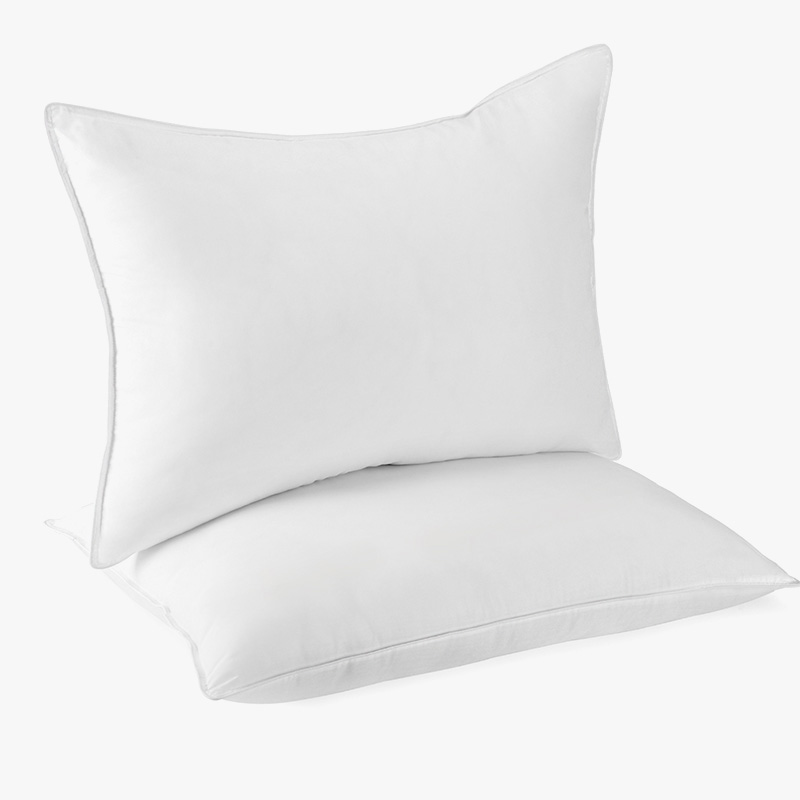
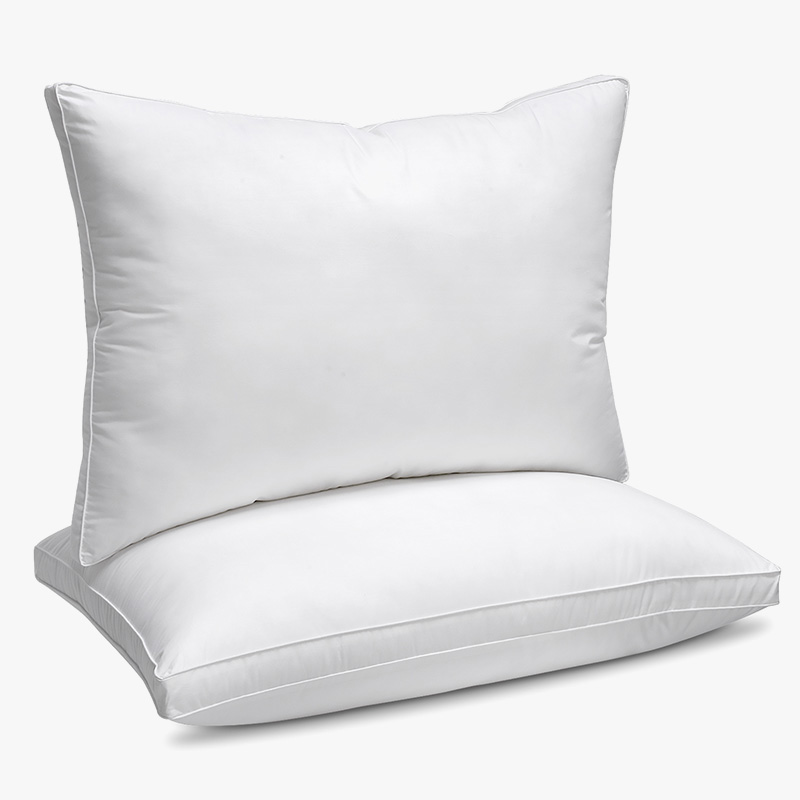
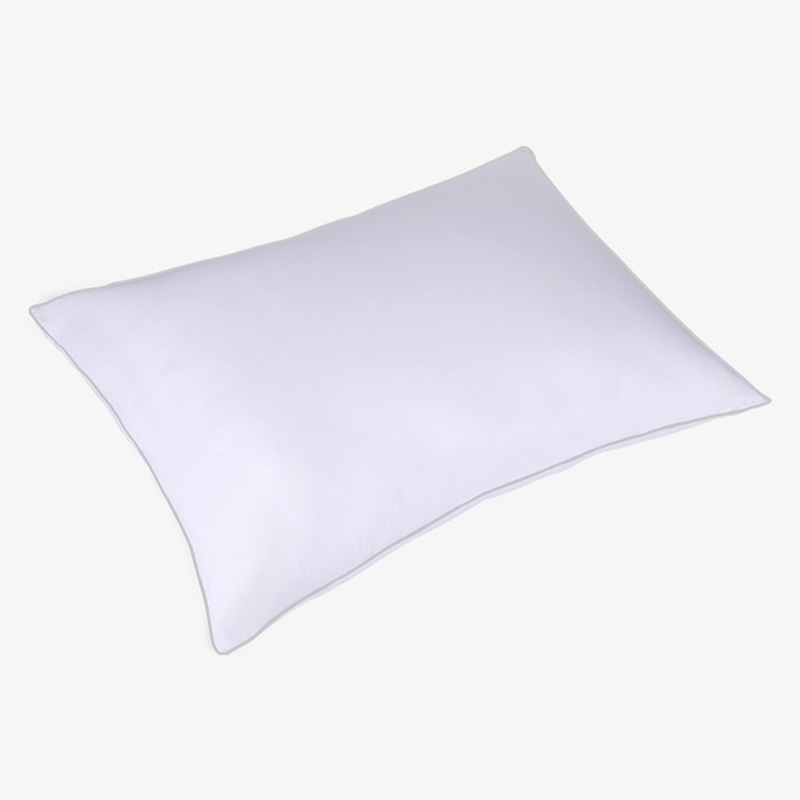
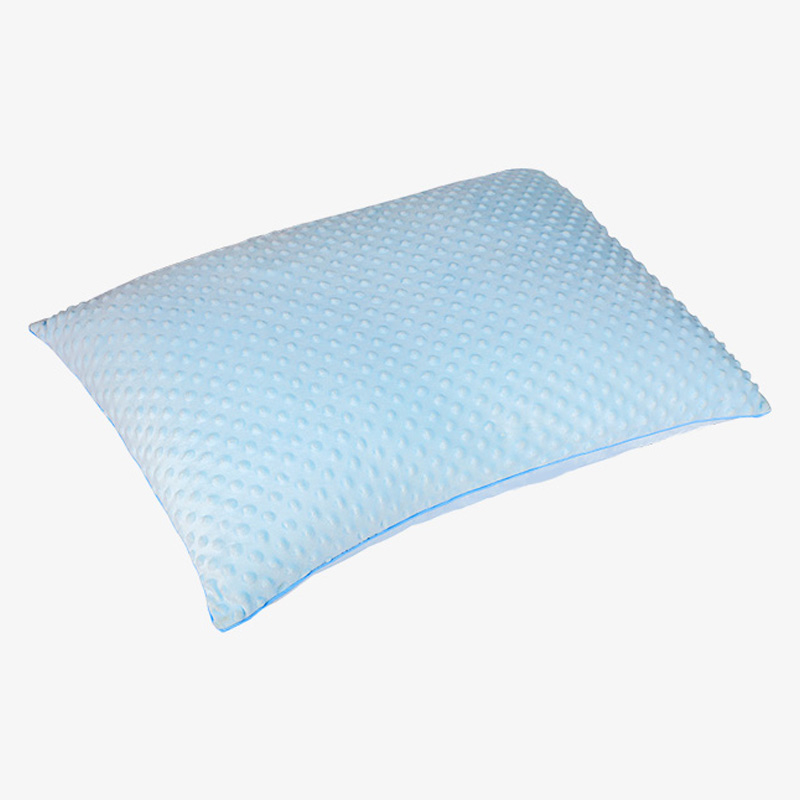
Polyester Cotton Pillow
The modern polyester cotton pillow represents a thoughtful fusion of natural and synthetic fibers, engineered to deliver balanced comfort and practicality. Unlike pure cotton or pure polyester options, these blended pillows leverage the strengths of both materials: cotton provides breathability and a soft touch, while polyester contributes resilience, shape retention, and ease of care. This combination creates a versatile sleeping surface that adapts to various preferences and sleeping positions, making it an increasingly popular choice in today's bedding market. The precise ratio of fibers significantly influences the pillow's final characteristics, with common blends ranging from 50/50 to 65% polyester and 35% cotton, each offering distinct benefits for different types of sleepers.
The Science Behind polyester cotton blend pillow benefits
The advantages of a polyester cotton blend stem from the complementary properties of the two fibers. Cotton, a natural cellulose fiber, excels at moisture absorption and air circulation, creating a cooler sleep surface. Polyester, a synthetic polymer, resists moisture and maintains its structural integrity over time. When combined, these fibers create a fabric that manages temperature effectively while resisting the flattening and clumping common in all-natural fill pillows. This synergy results in a pillow that feels comfortable against the skin while providing consistent support throughout the night.
- Enhanced breathability reduces night sweats and discomfort
- Improved durability extends pillow lifespan by 30-40% compared to cotton-only options
- Better shape retention maintains proper neck alignment
- Cost-effectiveness provides premium features at accessible price points
Fiber Ratio Impact on Performance Characteristics
The specific blend ratio directly affects how a pillow performs across key metrics. Higher cotton content increases softness and breathability but reduces wash durability, while higher polyester content enhances resilience and ease of maintenance but may feel warmer to some users. Understanding these trade-offs helps consumers select the optimal balance for their specific needs and sleeping preferences.
Comparing Common Blend Ratios: 50/50 vs 65/35
The two most common blend ratios offer distinct advantages. A 50/50 blend provides balanced properties with moderate softness and good durability, making it suitable for most sleepers. The 65/35 polyester-cotton blend prioritizes durability and shape retention while maintaining adequate breathability, ideal for those who prefer firmer support or frequently wash their bedding.
| Blend Ratio | Softness Rating | Durability | Best For |
| 50% Polyester / 50% Cotton | Medium-High | Good | All sleep positions |
| 65% Polyester / 35% Cotton | Medium | Excellent | Hot sleepers, frequent washing |
Health and Wellness Advantages
Beyond basic comfort, polyester cotton pillows offer significant health and wellness benefits that contribute to better sleep quality and overall well-being. The unique combination of natural and synthetic fibers creates an environment that promotes healthy sleep by addressing common issues such as allergies, temperature regulation, and proper spinal alignment. These health advantages make blended pillows particularly appealing to health-conscious consumers and those with specific sleep-related concerns.
Why Choose a hypoallergenic polyester cotton pillow
Hypoallergenic properties represent one of the most significant advantages of polyester cotton blends. The synthetic polyester fibers create an inhospitable environment for dust mites, mold, and other common allergens, while cotton's natural breathability prevents moisture buildup that can trigger allergic reactions. This combination makes hypoallergenic polyester cotton pillow options an excellent choice for allergy sufferers and those with sensitive respiratory systems.
How Polyester Cotton Blends Resist Dust Mites and Allergens
The resistance to allergens operates through multiple mechanisms. Polyester's smooth, non-porous surface prevents dust mites from penetrating and establishing colonies, while the tight weave construction creates a physical barrier against allergen particles. Additionally, the moisture-wicking properties keep the pillow dry, eliminating the damp conditions that dust mites require to thrive. These features work together to create a sleep environment that significantly reduces allergen exposure.
| Allergen Resistance Feature | Effectiveness | Mechanism |
| Polyester Fiber Structure | High | Non-porous surface prevents penetration |
| Tight Weave Construction | High | Physical barrier against particles |
| Moisture Wicking | Medium-High | Eliminates damp breeding conditions |
The Role of Breathability in Sleep Quality
Breathability directly impacts sleep quality by regulating temperature and moisture levels throughout the night. The cotton component in blended pillows facilitates air circulation, preventing heat buildup that can disrupt sleep cycles. Proper ventilation helps maintain optimal skin temperature, reducing the likelihood of night sweats and improving overall sleep comfort. This temperature regulation is particularly beneficial for hot sleepers and those in warmer climates.
Maintenance and Durability Insights
One of the most practical advantages of polyester cotton pillows is their superior maintainability and extended lifespan compared to alternative materials. The synthetic component provides structural stability that withstands repeated washing and daily use, while cotton ensures the surface remains comfortable and breathable. This combination results in pillows that maintain their performance characteristics longer, reducing replacement frequency and providing better long-term value.
Caring for Your washable polyester cotton pillow
Proper care significantly extends the life of washable polyester cotton pillow options while maintaining their performance properties. Unlike pure cotton pillows that may clump or pure polyester versions that can develop odors, blended pillows respond well to regular cleaning when following proper techniques. The key is using appropriate water temperatures, mild detergents, and thorough drying to prevent fiber damage and maintain loft.
Step-by-Step Washing Guide for Maximum Longevity
To ensure optimal cleaning without damaging the pillow fibers, follow these essential steps. First, check the care label for specific instructions, though most polyester cotton pillows can be machine washed in warm water on a gentle cycle. Use a mild detergent and avoid fabric softeners that can coat fibers and reduce breathability. Dry on low heat with clean tennis balls to maintain loft and prevent clumping.
| Care Step | Recommended Method | Frequency |
| Washing | Warm water, gentle cycle | Every 3-6 months |
| Drying | Low heat with tennis balls | After each wash |
| Fluffing | Daily manual fluffing | Daily |
Lifespan Expectations vs. Traditional Pillows
The durability of polyester cotton blends significantly outperforms traditional pillow materials. While pure cotton pillows typically last 1-2 years and down pillows 2-3 years, quality polyester cotton pillows can maintain their shape and support for 3-5 years with proper care. This extended lifespan results from polyester's resistance to compression set and cotton's ability to maintain surface integrity despite repeated washing.
Specialized Support Solutions
Beyond general comfort, polyester cotton pillows can be engineered to provide specialized support for specific health concerns, particularly neck and spinal issues. The adjustability of fiber blends allows manufacturers to create pillows with varying loft heights and firmness levels to address different support needs. This versatility makes blended pillows suitable for people with chronic pain, recovery needs, or specific ergonomic requirements.
Finding Relief with a polyester cotton pillow for neck pain
Neck pain sufferers often find relief with properly designed polyester cotton pillow for neck pain solutions that balance support and comfort. The key is maintaining proper spinal alignment during sleep, which requires pillows with appropriate loft and firmness to fill the gap between the head and mattress. Polyester cotton blends excel in this application because they can be engineered to provide consistent support without being too rigid or too soft.
Loft and Firmness: What Works Best for Cervical Support
Optimal cervical support depends on sleeping position and individual anatomy. Side sleepers typically require higher loft pillows (5-6 inches) to maintain alignment, while back sleepers need medium loft (4-5 inches). Stomach sleepers benefit from lower loft (3-4 inches) to prevent neck strain. Polyester cotton blends can be manufactured to these specifications while maintaining comfort and adjustability.
| Sleeping Position | Ideal Loft | Recommended Firmness |
| Side Sleeper | 5-6 inches | Medium-Firm |
| Back Sleeper | 4-5 inches | Medium |
| Stomach Sleeper | 3-4 inches | Soft-Medium |
How Pillow Fill Density Affects Spinal Alignment
Fill density determines how much the pillow compresses under head weight, directly affecting spinal alignment. Higher density fills provide firmer support and less compression, ideal for heavier individuals or those needing extra support. Lower density fills offer more cushioning but may compress too much for proper alignment. Polyester cotton blends can be engineered with varying densities to accommodate different body types and support needs.
Choosing the Right Pillow for Your Sleep Style
Selecting the right pillow involves understanding how different materials and constructions interact with individual sleep styles. Polyester cotton pillows offer versatility that accommodates various sleeping positions and preferences, but choosing the optimal specifications requires consideration of factors such as body type, mattress firmness, and personal comfort preferences. The adaptability of blended materials makes them suitable for nearly any sleep style when properly selected.
Selecting the best polyester cotton pillow for side sleepers
Side sleepers face unique challenges in maintaining proper spinal alignment due to the significant gap between their head and the mattress surface. The best polyester cotton pillow for side sleepers must provide sufficient loft to fill this space while maintaining firmness to prevent head sinking. Polyester cotton blends excel in this application because they can be engineered with higher loft profiles and firmer support while remaining comfortable and breathable throughout the night.
Height and Firmness Requirements for Different Sleeping Positions
Each sleeping position creates distinct requirements for pillow height and firmness. Side sleepers need the highest loft to compensate for shoulder width, back sleepers require medium loft to support the natural neck curve, and stomach sleepers need the lowest loft to prevent neck extension. Polyester cotton blends can be manufactured to these specifications while maintaining consistent performance over time.
| Sleep Position | Height Requirement | Firmness Level | Key Consideration |
| Side | High (5-6") | Medium-Firm | Shoulder width accommodation |
| Back | Medium (4-5") | Medium | Neck curve support |
| Stomach | Low (3-4") | Soft-Medium | Neck angle minimization |
Combination Sleepers: Versatility Considerations
Combination sleepers who change positions throughout the night require pillows with adaptable characteristics. Medium loft and adjustable fill options work best for these sleepers, allowing the pillow to accommodate different positions without compromising support. Polyester cotton blends with medium density and moderate loft provide the versatility needed for combination sleepers while maintaining consistent comfort across positions.
FAQ
How often should I replace my polyester cotton pillow?
Quality polyester cotton pillows typically last 3-5 years with proper care, compared to 1-2 years for pure cotton pillows. Replace your pillow when it shows signs of permanent compression, develops lumps, or no longer provides adequate support. A simple test involves folding the pillow in half - if it doesn't spring back quickly, it's time for replacement. Additionally, consider replacement if you notice increased allergy symptoms or visible staining that doesn't come out with washing.
Are polyester cotton pillows good for hot sleepers?
Yes, polyester cotton pillows are excellent for hot sleepers due to their balanced temperature regulation properties. The cotton component provides natural breathability and moisture absorption, while polyester wicks moisture away from the skin. For maximum cooling benefit, choose pillows with higher cotton content (50/50 blend) and consider covers with additional cooling technologies. The moisture management properties help maintain a comfortable sleep temperature throughout the night.
Can I machine wash my polyester cotton pillow?
Most washable polyester cotton pillow options can be safely machine washed, but always check the care label first. Use warm water (not hot) on a gentle cycle with mild detergent. Avoid fabric softeners which can reduce breathability. Dry thoroughly on low heat with clean tennis balls to maintain loft and prevent clumping. Ensure the pillow is completely dry before use to prevent mold growth. With proper washing technique, these pillows can be cleaned every 3-6 months without damage.
What's the difference between polyester cotton and memory foam pillows?
Polyester cotton pillows offer breathable, adjustable comfort with immediate responsiveness, while memory foam provides contouring support with slow response time. Polyester cotton sleeps cooler due to natural breathability, whereas memory foam can retain heat. Polyester cotton pillows are lighter, more affordable, and easier to clean, while memory foam offers more targeted pressure relief. The choice depends on personal preference for responsiveness, temperature regulation, and support type.
How do I choose the right firmness level?
Selecting firmness depends on sleeping position, body weight, and personal preference. Side sleepers typically need medium-firm to fill the shoulder gap, back sleepers benefit from medium firmness for neck curve support, and stomach sleepers prefer soft-medium to prevent neck strain. Heavier individuals generally need firmer pillows to prevent excessive compression. Consider your mattress firmness as well - soft mattresses may require firmer pillows for proper alignment. Test different firmness levels when possible to find your optimal comfort zone.

 +86-18268324012
 +86-573-88798908
 Iris@zjmkn.com
 233 Huashi East Road, Wuzhen Town, Tongxiang City, Jiaxing, Zhejiang Province, China
