

 En
En  Français
 Deutsch
 عربى
عربىBeyond Thread Count: Understanding the Modern Microfiber Polyester Quilt
In the world of bedding, the Microfiber Polyester Quilt has emerged as a dominant and practical choice for modern households. Moving beyond traditional metrics like thread count, this engineered textile combines ultra-fine polyester fibers into a fabric that is remarkably soft, durable, and easy to care for. Unlike down or heavyweight wool, a quality microfiber quilt offers a consistent, hypoallergenic warmth that suits a wide range of sleepers. This guide will dissect its construction, compare it to natural alternatives, and provide you with the definitive knowledge to select, use, and maintain the perfect quilt for year-round comfort. We'll answer the pressing questions that guide shoppers today, from finding a season-spanning workhorse to achieving a luxury hotel aesthetic at home.
The Ultimate Buying Guide: Solving Your Core Questions
Choosing the right quilt involves more than picking a color. It's about matching technical specifications to your personal sleep needs and lifestyle. This section breaks down the most common and critical queries surrounding Microfiber Polyester Quilts, transforming complex features into actionable buying advice.
1. Finding the All-Rounder: Selecting the Best Microfiber Polyester Quilt for All Seasons
The key to a versatile, all-season quilt lies in its weight and construction, not just its fiber content. The goal is a quilt that provides enough warmth for cool evenings without causing overheating. This balance is typically achieved with a medium GSM (Grams per Square Meter) rating—often between 200 and 300 GSM. Look for quilts with a baffle-box or channel-stitch construction, which prevents fill from shifting and creates even insulation. A tightly woven, breathable microfiber shell is crucial for moisture vapor to escape.
- Pro Tip: For true year-round use, consider a layered bedding system. A medium-weight microfiber polyester quilt can be used alone in warmer months and paired with a lightweight blanket or duvet insert during winter for adjustable warmth.
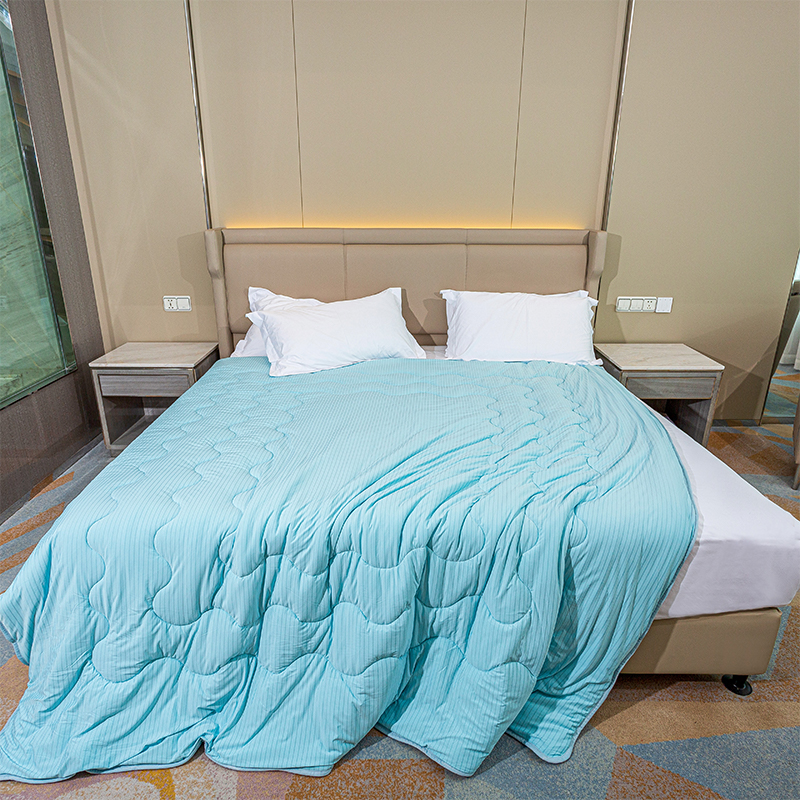
2. Sleeping Cool: The Technology Behind a Cooling Microfiber Polyester Quilt King Size
For hot sleepers or warmer climates, a standard quilt can feel stifling. A dedicated cooling microfiber polyester quilt employs specific technologies to enhance breathability and heat dissipation. These often use specially engineered fibers, such as hollow-core polyester, which creates air pockets for better insulation with less weight and improved airflow. The fabric may also be treated with moisture-wicking finishes. When selecting a King Size version, ensure the cooling technology and lightweight fill are evenly distributed across the larger surface area, and check that the quilt’s dimensions generously cover the mattress to prevent drafts.
| Feature | Standard Microfiber Quilt | Cooling Technology Quilt |
| Primary Fiber | Solid polyester microfiber | Hollow-core or phase-change material fibers |
| Key Function | Insulation & Comfort | Insulation + Heat Redirection & Moisture Wicking |
| Best For | Average sleepers, cooler rooms | Hot sleepers, warm climates, night sweats |
3. The Great Debate: Microfiber vs Cotton Quilt Which is Better?
This common comparison hinges on material philosophy and lifestyle needs. Cotton is a beloved natural fiber, breathable and classic, but it can be heavy, wrinkle-prone, and may shrink. Microfiber polyester is a synthetic champion of consistency, easy care, and hypoallergenic properties. The "better" choice is entirely situational.
| Criteria | Microfiber Polyester Quilt | Cotton Quilt (e.g., Pima, Egyptian) |
| Feel & Drape | Exceptionally soft, silky, light drape | Crisp or broken-in, heavier, structured drape |
| Care & Maintenance | Machine wash/dry easy, quick-drying, minimal wrinkles | Often requires more careful washing, can shrink, prone to wrinkling |
| Durability & Allergies | Highly durable, colorfast, resistant to mold/dust mites | Strong but may wear/pill over time, natural but not inherently hypoallergenic |
| Climate Suitability | Excellent for moisture-wicking; cooling versions available | Highly breathable, excellent for hot sleepers in its pure form |
| Budget | Generally more affordable, high value | Often more expensive, especially at high thread counts |
4. Elevating Your Bedroom: Investing in a Luxury Hotel Style Microfiber Polyester Quilt
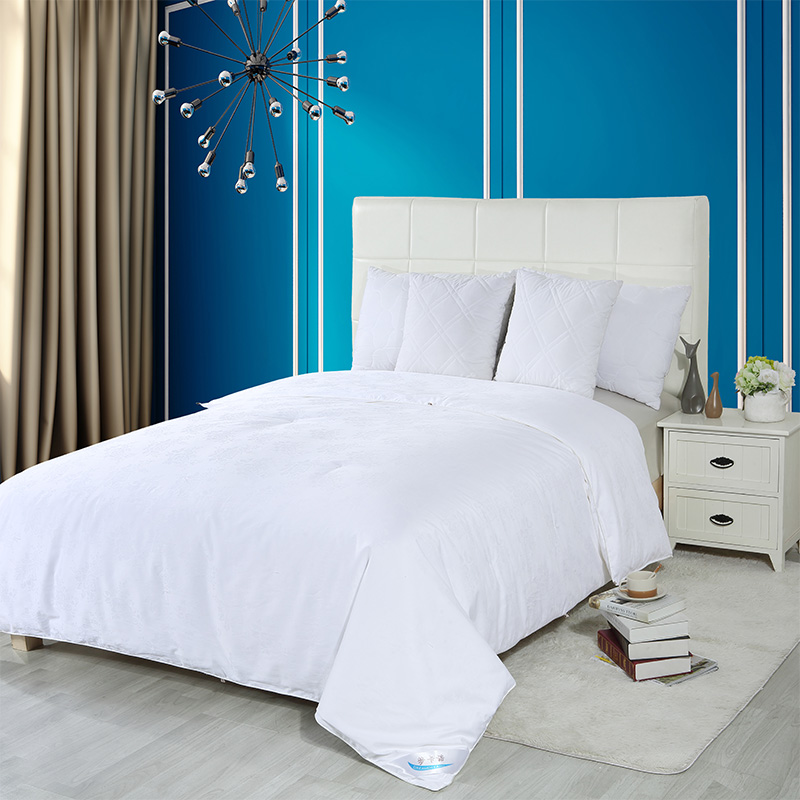
The plush, pristine beds of high-end hotels are often achieved with premium synthetic bedding. A luxury hotel style microfiber polyester quilt is defined by its details and performance. Key signs of quality include a high fill power (creating a fluffy, not flat, appearance), a high thread-count shell that prevents fill from leaking, and intricate stitching patterns like diamond or channel quilting that enhance durability and aesthetics. The finish should have a muted, elegant sheen and a substantial, drapey weight that feels expensive. These quilts masterfully blend the practical benefits of microfiber—like easy laundering for constant freshness—with the opulent feel of a five-star retreat.
5. Care for Longevity: A Step-by-Step Guide on How to Wash a Microfiber Polyester Quilt
Proper care is essential to maintain the softness, appearance, and functionality of your quilt. Fortunately, its synthetic nature makes it forgiving. Always start by checking the manufacturer’s care label. Generally, machine wash on a gentle cycle with cold or warm water using a mild detergent. Avoid fabric softeners and bleach, as they can coat the fibers, reducing breathability and moisture-wicking abilities. Tumble dry on low heat with dryer balls or clean tennis balls to help fluff the fill and prevent clumping. Remove promptly to minimize wrinkles.
- Essential Checklist: Before washing, check for and repair any open seams. Fasten all closures if present. Wash the quilt alone or with similarly colored items to avoid friction and pilling. For large king size quilts, ensure your washer and dryer can accommodate the load volume to prevent machine damage and ensure proper cleaning.
FAQ
Are microfiber polyester quilts too hot for summer?
Not necessarily. While standard microfiber quilts provide warmth, many are designed as medium-weight for all-season use. For summer specifically, seek out a cooling microfiber polyester quilt. These utilize breathable shells, moisture-wicking technology, and lighter, airier fills (like hollow fiber) that promote airflow and heat dissipation, making them a comfortable choice even in warmer weather.
Do microfiber quilts make you sweat or feel clammy?
This is a common concern with synthetic materials. Lower-quality microfiber can trap heat and moisture. However, higher-quality microfiber polyester quilts are engineered for breathability. The ultra-fine fibers can be woven into tight yet breathable fabrics, and many are treated with moisture-wicking finishes that pull sweat away from the body. For the best experience, avoid using fabric softener, which can block this wicking ability.
How does the durability of a microfiber quilt compare to a cotton one?
In terms of resilience to daily wear, washing, and color fading, a microfiber polyester quilt often holds an advantage. Polyester fibers are inherently strong and colorfast, resisting shrinking, stretching, and mildew. Cotton, while durable, can weaken with frequent washing, is prone to shrinkage if not cared for precisely, and its colors may fade faster over time. This makes a well-made microfiber quilt a long-lasting, low-maintenance option.
Can someone with allergies use a microfiber polyester quilt?
Yes, absolutely. In fact, microfiber polyester quilts are an excellent choice for allergy sufferers. The tightly woven fabric creates a barrier that is naturally resistant to dust mites, mold, and mildew—common allergens in the bedroom. Unlike down or feather fills, polyester fill is hypoallergenic and non-toxic. For the best results, choose a quilt labeled as hypoallergenic and wash it regularly in hot water to eliminate any accumulated allergens.
What is the best weight (GSM) for a quilt to use year-round?
For a true best microfiber polyester quilt for all seasons, aim for a medium weight, typically in the range of 200 to 300 GSM (Grams per Square Meter). This provides enough insulation for cooler spring/fall nights without the overwhelming warmth of a winter duvet. Its versatility allows you to regulate temperature by pairing it with lighter sheets in summer or adding a blanket layer in the depths of winter.

 +86-18268324012
 +86-573-88798908
 Iris@zjmkn.com
 233 Huashi East Road, Wuzhen Town, Tongxiang City, Jiaxing, Zhejiang Province, China
