

 En
En  Français
 Deutsch
 عربى
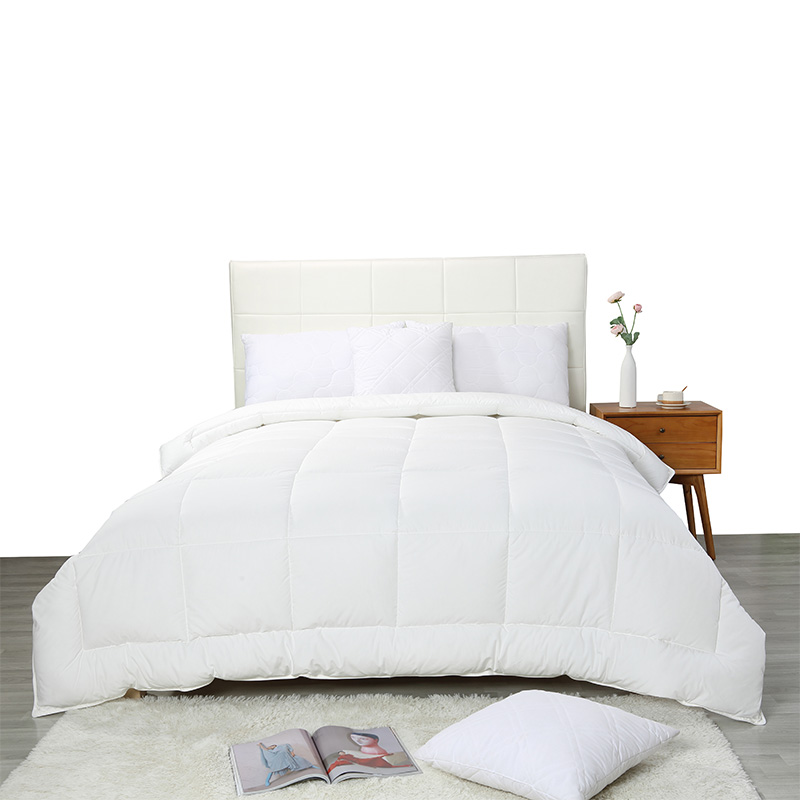
عربىIn the realm of bedding textiles, the precise management of thermal insulation is critical for ensuring sleep quality, particularly during colder months. For B2B procurement officers and hoteliers, selecting the correct bedding specification is not merely about comfort but about energy efficiency and guest satisfaction. A winter duvet queen serves as a cornerstone of inventory for hospitality and retail sectors, yet its performance hinges on a technical understanding of thermal resistance. As a specialized manufacturer dedicated to advanced sleep solutions, we emphasize that the efficacy of winter bedding is defined by its tog rating, fill power, and material construction. Understanding these variables is essential for making data-driven purchasing decisions that align with diverse climatic needs.
Understanding Tog Ratings: The Metric of Thermal Insulation
The tog rating is a standardized unit of measurement that quantifies thermal resistance; essentially, it measures how effectively a duvet traps warm air. Unlike fill weight, which measures the mass of the filling, the tog rating is a direct indicator of warmth. The scale typically ranges from 1.0 (coolest) to 15.0 (warmest). For a standard winter duvet queen, the goal is to provide sufficient insulation to maintain a comfortable microclimate without causing the sleeper to overheat.
According to the Textile Institute Terms and Definitions, updated standards regarding thermal resistance and tog testing methodologies emphasize the importance of standardized manikin testing to ensure consistency across manufacturers. This ensures that a specific tog rating delivers a predictable level of warmth regardless of the fill material used.
Source: The Textile Institute - Publications
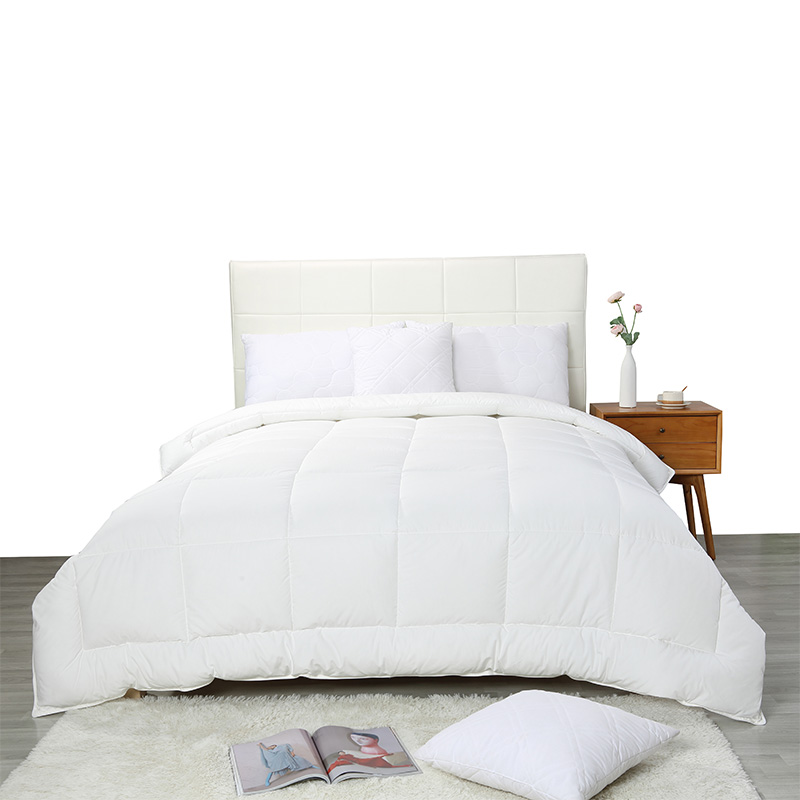
The General Tog Scale
- Summer (4.5 – 7.5 Tog): Lightweight, designed for warm seasons or high-efficiency heating environments.
- Spring/Autumn (9.0 – 10.5 Tog): Moderate insulation for variable temperatures.
- Winter (13.5 – 15.0 Tog): Maximum thermal resistance for cold climates and bedrooms with lower ambient temperatures.
The Ideal Tog Range for Winter: Engineering for Warmth
When determining the best tog rating for winter duvet queen, industry standards generally recommend a range between 13.5 and 15.0 tog. The 13.5 tog rating is typically sufficient for well-insulated modern homes where the ambient nighttime temperature remains above 15°C (59°F). However, for older buildings or regions experiencing harsh frosts, a 15.0 tog duvet provides the necessary thermal barrier. It is crucial to consider the "sleep microclimate"; excessive insulation leads to perspiration, which compromises the insulating properties of the fill and reduces comfort. Therefore, the 13.5-15.0 tog range represents the engineering equilibrium for winter conditions.
Material Performance: Comparing Fill Types
The fill material dictates the loft and breathability of the duvet. While natural fills like down offer superior warmth-to-weight ratios, synthetic options have evolved significantly. Today, hypoallergenic winter duvet queen materials are engineered with microfiber technology that mimics the insulating clusters of down, offering comparable thermal retention with enhanced washability. The choice between natural and synthetic fills often depends on the end-user's sensitivity to allergens and the maintenance capabilities of the facility.
Fill Material Characteristics
Comparing natural down versus advanced synthetic fills reveals distinct advantages regarding thermal efficiency and maintenance.
| Property | Natural Down/Feather | Synthetic Microfiber (Hollow Fiber) |
| Thermal Efficiency | High (Superior loft per ounce) | Medium to High (Dependent on fiber construction) |
| Moisture Wicking | Excellent (Natural breathability) | Good (But can retain heat if not engineered well) |
| Allergen Potential | Medium (Requires high-quality casing) | Low (Hypoallergenic properties) |
| Durability | Long-lasting with proper care | Variable (May degrade/clump faster) |
Sizing and Thermal Dynamics: Queen vs. Other Sizes
A common technical inquiry involves the relationship between duvet size and thermal retention. Specifically, buyers often ask about winter duvet queen vs king size warmth. While the tog rating is a measure of thermal resistance (intrinsic to the material), the physical dimensions affect the total heat load. A King size duvet (approx. 100" x 90") has a larger surface area than a Queen (approx. 90" x 90"). Consequently, while the intensity of warmth (tog) remains the same, the total heat trapped by a King size duvet is higher. However, for a Queen-sized bed, a King duvet can offer better "drape," reducing cold spots where air enters from the sides. Conversely, using a Queen duvet on a King bed results in insufficient coverage, leading to heat loss regardless of the tog rating.
Maintenance and Durability: Ensuring Longevity
The longevity of a duvet's thermal performance is directly linked to its maintenance regime. For the hospitality sector and busy households, ease of cleaning is a primary procurement factor. Machine washable winter duvet queen options are predominantly found in the synthetic category. These duvets are constructed with box stitching or baffle box construction to prevent fill migration and can withstand commercial laundering temperatures that would damage natural down fills.
Washing and Care Specifications
td>td>
| Maintenance Factor | Machine Washable Synthetic | Natural Down/Feather |
| Washing Frequency | High (Frequent washing tolerated) | Low (Requires professional cleaning typically) |
| Drying Method | Low Heat (Tumble dry with tennis balls to break up clusters) | |
| Shrinkage Risk | Minimal (Pre-shrunk casings) | Minimal (But casing shrinkage can occur if not cotton) |
| Cost of Ownership | Higher initial maintenance cost |
Market Applications: Down vs. Alternatives
In the current market, the demand for specialized bedding has led to the rise of the down alternative winter duvet queen. These products are not merely budget-friendly options but are engineered for specific performance benefits. They are ideal for environments with high humidity or for facilities that require strict allergen control protocols. By utilizing siliconized hollow conjugate fibers, manufacturers can create a duvet that mimics the "hand" and warmth of down while remaining entirely vegan and easier to sanitize. For procurement managers, stocking both variations allows for segmentation of the customer base based on physiological needs and maintenance capabilities.
Conclusion
Selecting the correct winter duvet queen requires a holistic view of tog ratings, fill materials, and maintenance logistics. For winter use, a tog rating of 13.5 to 15.0 provides the necessary thermal insulation for standard Queen dimensions. Whether choosing natural down for its superior breathability or synthetic hypoallergenic winter duvet queen materials for their washability and durability, the focus must remain on long-term thermal performance. By adhering to these technical specifications, purchasers can ensure a product that delivers consistent warmth and comfort throughout the coldest months.
Frequently Asked Questions (FAQ)
- Q1: What is the difference between a 13.5 tog and a 15 tog duvet?
A: The primary difference is the level of thermal insulation. A 15 tog duvet is approximately 15-20% warmer than a 13.5 tog duvet, designed for colder rooms or individuals who feel the cold easily, whereas 13.5 tog is the standard for typical winter indoor conditions. - Q2: Can a machine washable winter duvet queen maintain its loft after washing?
A: Yes, provided it is constructed with high-quality microfiber and a robust baffle-box or box-stitch design. It is crucial to dry it thoroughly with dryer balls to redistribute the fill and prevent clumping. - Q3: Is down or down alternative better for winter warmth?
A: Natural down generally offers better thermal efficiency (warmth-to-weight ratio). However, a high-quality down alternative winter duvet queen can achieve comparable tog ratings and is often preferred for its hypoallergenic properties and ease of care. - Q4: Why does duvet size matter for warmth?
A: Size affects coverage. A duvet that is too small for the bed exposes the sleeper to cold air. While the winter duvet queen vs king size warmth debate focuses on tog, proper drape is essential to prevent heat loss at the edges. - Q5: How often should a winter duvet be replaced?
A: A high-quality winter duvet typically lasts between 5 to 10 years. Synthetic fills may need replacement closer to the 5-year mark as they can lose their loft and thermal efficiency faster than natural down.

 +86-18268324012
 +86-573-88798908
 Iris@zjmkn.com
 233 Huashi East Road, Wuzhen Town, Tongxiang City, Jiaxing, Zhejiang Province, China
