

 En
En  Français
 Deutsch
 عربى
عربىChoosing the right bedding product is critical for sleep quality, especially for business-to-business (B2B) buyers, procurement specialists, and wholesale distributors. This technical guide will help you evaluate comfort, performance, durability, and market context for the cotton duvet queen size. We also integrate insights from industry reports and market data for 2024–2025 to support informed decision-making tailored to supply chain and product strategy.
1. Understanding Cotton Duvet Queen Size
The term cotton duvet queen size refers to a duvet insert made primarily of cotton materials designed to fit queen mattresses (typically 90” × 90” to 92” × 96”). Cotton remains the dominant fiber in bedding applications due to its natural breathability, moisture management, and relative sustainability in production.
According to the latest bedding industry data, cotton fabrics comprised approximately 70% of the global bedding textile output in 2024, demonstrating the continued preference for cotton in home and commercial bedding markets. :contentReference[oaicite:0]{index=0}
Source: Bedding Fabrics Market Size, Share, Trends
Key Benefits of Cotton for Bedding
- Natural breathability and moisture absorption;
- Biodegradability and recyclability;
- Excellent comfort and softness potential;
- Wide availability of thread counts and fabric constructions.
2. Critical Factors When Selecting a Comfortable Cotton Duvet
2.1. Breathability and All‑Season Comfort
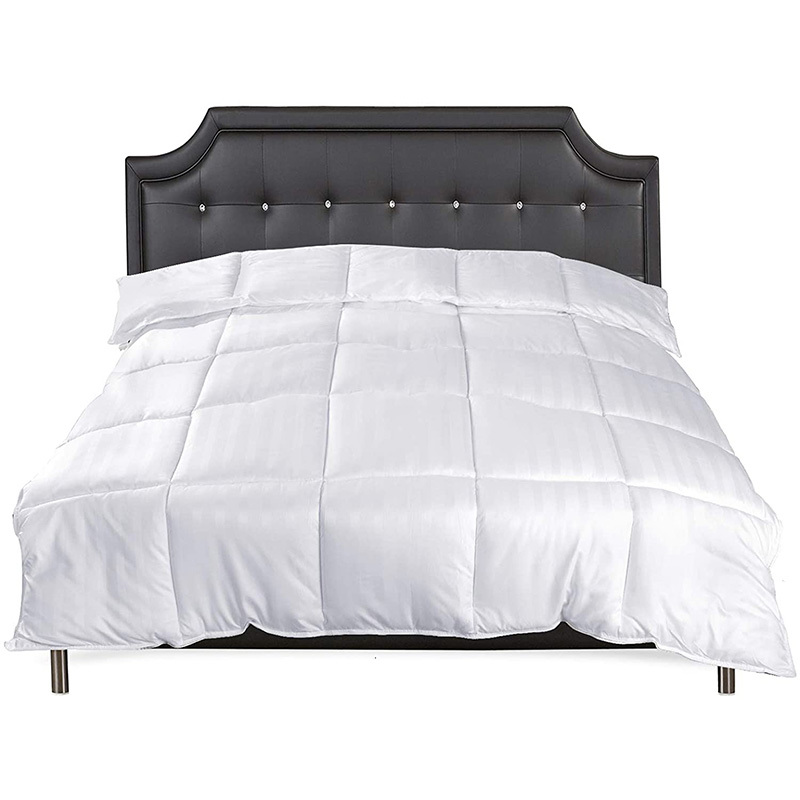
When evaluating breathability for a cotton duvet queen size breathable 300TC all‑season comfort product, consider thread count and yarn type. Thread count is not the sole indicator of quality — yarn length (long or extra‑long staple), weave, and finishing processes significantly influence airflow and thermal regulation. Typical high‑comfort duvets use 300–400 thread count cotton due to balance between softness and breathability.
| Characteristic | Impact on Comfort |
| 300–400 Thread Count | Balanced breathability and durability |
| Long‑Staple Cotton | Enhanced softness, less pilling |
| Percale Weave | Cooler feel, stronger airflow |
| Sateen Weave | Smoother hand feel but slightly warmer |
2.2. Best Fit for Hot Sleepers
For a best cotton duvet queen size for hot sleepers, prioritize products with open weaves, lower thermal resistance, and optimized loft to allow heat dissipation. Materials with natural moisture transport like cotton can mitigate discomfort caused by heat buildup during sleep.
2.3. Hypoallergenic Quality
Buyers seeking anti‑allergy performance should evaluate options described as cotton duvet queen size with hypoallergenic filling guide. Hypoallergenic cotton duvets often use tightly woven shell fabrics and inert plant‑based fillings that resist dust mite intrusion, mold, and common airborne irritants — critical for hospitality or healthcare applications.
| Attribute | Allergy‑Friendly Benefits |
| High‑Density Cotton Shell | Limits allergen entry |
| Plant‑Based Fill (e.g., organic cotton) | Minimizes chemical exposure |
| Moisture‑Wicking Structure | Reduces mold risk |
2.4. Value and Procurement Considerations
For buyers focused on cost control, evaluating how to choose quality cotton duvet queen size on a budget requires balancing initial price versus lifecycle value. Duvets with mid‑range thread counts and durable stitching typically deliver lower total cost of ownership due to reduced replacement frequency. Evaluate fill power equivalence ratings and construction details such as baffle box stitching to assess long‑term resilience.
2.5. Washing and Maintenance
Maintenance impacts both comfort retention and lifecycle cost. For a cotton duvet queen size washing care and maintenance tips approach, it is essential to use washing protocols compatible with cotton’s fiber expansion characteristics, ensure complete drying to prevent microbial growth, and assess whether the duvet core is fully washable or requires protective covers.
- Use mild detergents and avoid high‑heat drying;
- Commercial laundering standards recommend low‑temperature tumble dry to maintain loft;
- Consider detachable covers to simplify maintenance and reduce downtime.
3. Performance Comparison with Alternative Bedding Types
| Feature | Cotton Duvet Queen Size | Typical Synthetic Comforter |
| Breathability | High | Moderate |
| Moisture Transport | Superior | Poorer |
| Allergen Resistance | Depends on weave and finishing | Often inherently hypoallergenic |
| Durability | High with proper care | Varies by polymer quality |
| Environmental Profile | Better if organic | Lower (synthetic) |
4. Market Trends and Industry Context (2024–2025)
Market data shows a strong global trend toward cotton and natural bedding textiles. In 2024, over 58% of households in developed regions preferred high thread count cotton bedding, reflecting demand for comfort and durability. :contentReference[oaicite:1]{index=1}
Source: Bedding Fabrics Market Size, Share, Trends
Additionally, major home bedding market forecasts project overall growth in bedding materials through 2025 and beyond, driven by urbanization, sustainability priorities, and replacement cycles in hospitality and residential sectors. :contentReference[oaicite:2]{index=2}
Source: Home Bedding Market Growth, Share & Outlook 2034
5. Conclusion
Selecting the most comfortable cotton duvet queen size for procurement should involve a methodical assessment of material properties, performance characteristics, maintenance necessities, and market trends. Integrating industry insights ensures your product offerings align with evolving expectations for comfort, sustainability, and value.
FAQ
- Q: What thread count range is ideal for a comfortable cotton duvet queen size?
A: A thread count of 300-400 is ideal for a balance of softness, breathability, and durability. Very high thread counts (e.g., 600+) may feel luxurious but can reduce breathability, making them less suitable for hot sleepers or warm climates. - Q: How can cotton duvets be optimized for hot sleepers?
A: For hot sleepers, choose a cotton duvet with a percale weave (cooler feel), lower fill weight (lower thermal insulation), and natural, breathable materials throughout. Ensure the shell fabric is 100% cotton with a thread count in the 300-400 range for optimal airflow. - Q: Are cotton duvets suitable for commercial hospitality settings?
A: Yes, high-quality cotton duvets are excellent for hospitality. Their durability, ease of care, and natural comfort appeal to guests. Look for features like reinforced stitching, high-density weaves to resist wear, and hypoallergenic properties to meet health standards. - Q: What maintenance practices extend the life of cotton duvets?
A: To extend lifespan: wash in cool or warm water with mild detergent; tumble dry on low heat; avoid over-drying; use a duvet cover to protect the insert; and ensure it is completely dry before storage to prevent mildew. Follow manufacturer's care instructions closely. - Q: How do cotton duvets compare with synthetic comforters in comfort and sustainability?
A: Cotton duvets generally offer superior breathability, moisture-wicking, and a more natural feel compared to synthetic comforters, which can trap heat. In terms of sustainability, cotton (especially organic) is biodegradable and renewable, whereas synthetic comforters are made from petroleum-based polymers and are less environmentally friendly at end-of-life. 

 +86-18268324012
 +86-573-88798908
 Iris@zjmkn.com
 233 Huashi East Road, Wuzhen Town, Tongxiang City, Jiaxing, Zhejiang Province, China
